

why you want to flow through time, happiness is not a destination, and did you know meditation can cause psychosis?
069 | ANEWWITHHUE: A monthly Saturday listicle to spark joy, creativity, and curiosity.
Are you satisfied with the life you’re living? Do you feel fulfilled most days? Is the life you’re living truly yours, or are you living by someone else’s expectations?
If these questions disturb you in some way, consider this edition as a way to soothe that discomfort. This month, I’ve curated wisdom from minds a lot smarter than mine to reveal what it means to live a meaningful life—and ways to explore it.
Because are you proud of who you are, where you’re going, and who you’re becoming—or are you lusting for another kind of life? Stick around until the end for a round up of creators living the dream—equal parts entertaining, educational, and enviably delicious to devour.


Music. Thee Marloes. Favorite band of the moment! The Surabaya based soulful band blending classic jazz and pop with a distinctly Indonesian flare. If you’re in the mood for sultry vocals, soothing melodies, and a fresh spin on soul, this band’s for you. I am always excited to see Southeast Asian talent breakout into the world!
Podcast. TED Radio Hour. Psychology professor Anne-Laure Sellier discovered that “clock timers” who rigidly schedule their days tend to see life as chaotic and struggle to savor moments, while “event timers” who flow between activities feel more in control and satisfied—suggesting we need clock time for coordination, even time for connection. While Oliver Burkeman’s journey from productivity-obsessed to embracing human finitude revealed that accepting sacrifices and making conscious choices despite limitation leads to fulfillment over endless optimization. Behavioral scientist Ayelet Fishback also highlights the importance of intrinsic motivation, which isn’t possessed but created through intrinsic goals, shortened timeframe to maintain momentum, anticipating temptations to veer off course, and to leverage social support. This episode primarily explores decision fatigue, the hidden cost of keeping options too open, and how facing our limitations will create more richness versus chasing the mirage of having it all. As true fulfillment comes not from doing everything but from fully engaging with the few things we choose—what makes pursuits meaningful isn’t just their quality but the intent and morality behind them. Perhaps life is about surrendering to being a constant work in progress instead?
“Psychologists now know that in order to be happy, we need to be attuned to our emotions, and particularly we need to be able to savor positive emotions…What we find is that clock timers are less able to savor positive experiences.”
“The more you rely on the clock, the less you’re able to savor.”
— Anne-Laure Sellier
“I think when you see you’re always choosing anyway, it’s very relaxing ultimately. It’s stressful at first, but then it’s like oh okay. Well there isn’t a version of this rest of my life that involves not sacrificing, so the question is which sacrifice am I prepared to make?”
— Oliver Burkeman
Podcast. HBR IdeaCast. In this live conversation at Harvard Business School, academic, author, and social scientist Arthur C. Brooks discusses happiness—the myths, the opportunities, and the science. Brooks reframes happiness not as a destination but as a continuous practice built on enjoyment, satisfaction, and meaning. “There is a happiness crisis.” He identifies four essential “nutrients” for wellbeing: faith or transcendence, family, friendships, and work that serves, which ironically are what ambitious professionals often sacrifice while chasing achievement. The paradox of leadership is as people climb higher, they often grow lonelier, angrier, and less fulfilled, despite achieving what society defines as “success.” Drawing from his latest research Brooks challenges conventional myths, that power, money, or fame lead to lasting joy, and instead reframes happiness not as a final destination but as a continuous practice built on enjoyment, satisfaction, and meaning. Brooks shares actionable insights: limit news intake to half an hour a day to avoid despair, focus on problems within your control, and prioritize emotional self-regulation, especially for high performers prone to over do it. Brooks emphasizes that happiness isn’t soft, it’s strategic—and the science proves it. So stop chasing unattainable ideals and start treating happiness as a daily practice of purpose, connection, and intentional living.
“You can’t be happy, you can be happier, than you were.”
“Human beings want to earn their way.” “To be needed, as a human being, is the essence of dignity, to be unneeded is the basis of despair.”
— Arthur C. Brooks
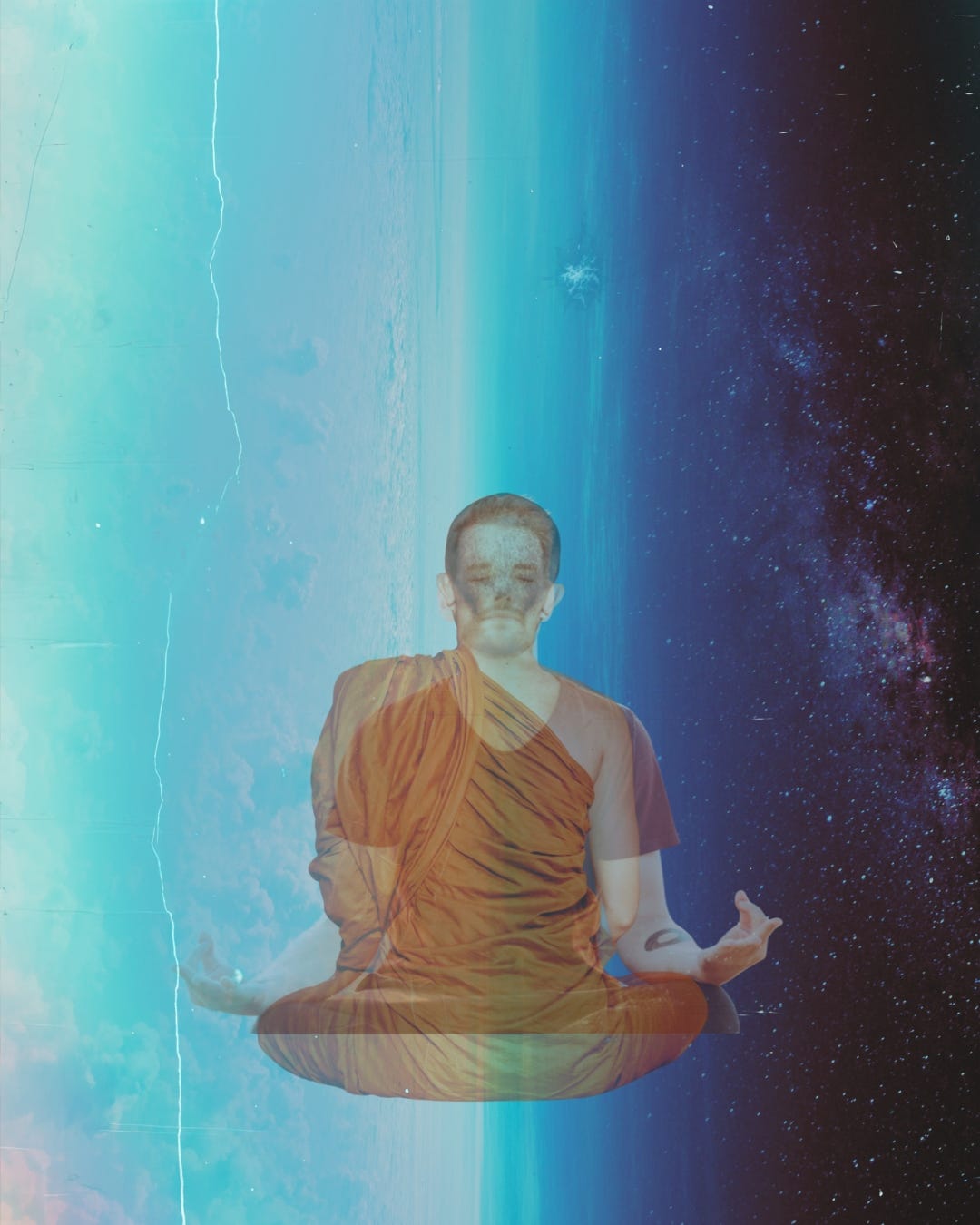
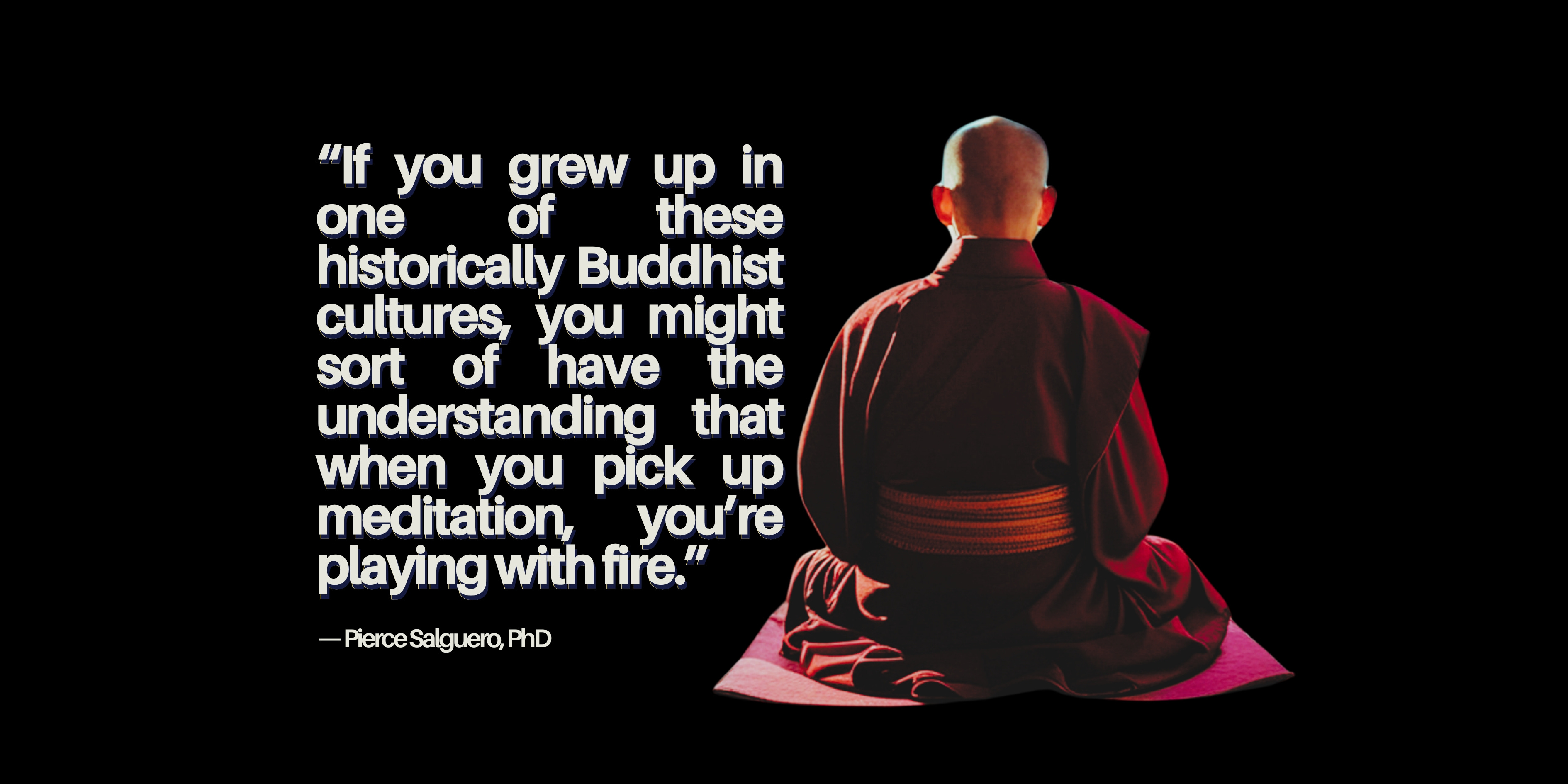
Podcast. Unexplainable. VOX. Did you know meditation can cause psychosis? What does psychology make of meditation’s adverse effects? How do you distinguish a mental health crisis from a spiritual one? This is the eye-opening truth every meditator needs to hear. Researcher Willoughby Britton expected her sleep study to confirm meditation’s benefits. Instead, she discovered the opposite: meditation causes insomnia, less deep sleep, faster brain waves, and increased cortical arousal—effects that intensify with practice. For a small subset, meditation can trigger severe effects, including psychosis. This challenges meditation’s glorified status as a universal mental health tool. As a monk reminded Britton, meditation is designed for spiritual awakening, not relaxation—a crucial distinction lost in Western secular adaptations. I’ve been guilty of advocating for meditation as a tool for stilling the mind too. While researcher Richie Davidson—(the same researcher who wrote the book that made me a convert)— maintains meditation does help most people, but historian Pierce Salguero notes the warnings that appear throughout ancient texts, including from Buddha himself. So, turns out, meditation isn’t the one-size-fits-all solution it’s been marketed as. The wildest anecdote (at minute 26:50): while staring at his reflection, a man could no longer recognize himself—while he logically knew it was him in the mirror, he had lost his sense of self entirely. These findings are both bizarre and illuminating—I feel responsible to spread this warning. What happens when science appropriates an ancient religious practice? The translation doesn’t always fit. For nearly a decade I’ve been on-and-off meditator, with my most profound moment at a three-day meditation retreat in Thailand when I reached a new state of consciousness (described here). Learning all this now, I’m alarmed by my naiveté.
Keep reading with a 7-day free trial
Subscribe to Happy Hue to keep reading this post and get 7 days of free access to the full post archives.